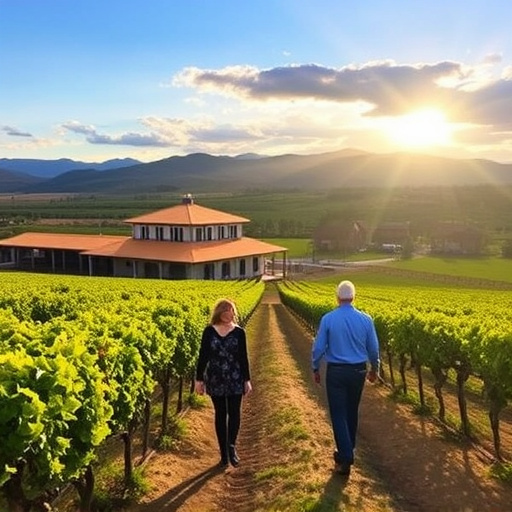
Sonoita wine tours naturally showcase an Arizona wine region committed to sustainability. Wineries employ eco-friendly practices like organic farming, renewable energy, and water conservation, preserving the Sonoran Desert environment while producing high-quality wines. Visitors can book sustainable tours, learn about ecological stewardship, and experience outdoor tastings in natural settings, supporting a green economy and connecting with the terroir.
The global wine industry faces a critical juncture, with consumers increasingly seeking sustainable practices. In response, Sonoita, known for its vibrant ecosystem and rich viticultural heritage, offers a unique opportunity through eco-friendly wine tours. These immersive experiences not only showcase the region’s remarkable terroir but also educate visitors about responsible winemaking. By exploring Sonoita’s wineries, one can discover a genuine commitment to environmental stewardship, where every sip contributes to a sustainable future. This article delves into how these tours provide an authentic and valuable connection to the local wine culture, offering a truly memorable experience for conscious connoisseurs.
- Discover Eco-Conscious Wineries in Sonoita: A Sustainable Journey
- Experiencing Nature's Nurture: Tasting Sonoita's Green Wines
Discover Eco-Conscious Wineries in Sonoita: A Sustainable Journey

Sonoita, Arizona, has established itself as a beacon for eco-conscious wine enthusiasts seeking sustainable tasting experiences. This small yet thriving wine region boasts numerous wineries committed to minimizing their environmental impact while producing exceptional wines. These Sonoita wine tours naturally highlight the region’s unique approach to viticulture, showcasing how ecological stewardship and quality can go hand in hand.
Wineries here embrace a range of sustainable practices, from organic farming methods to renewable energy sources and water conservation measures. Many offer transparent tours that educate visitors on these processes, providing an intimate look at how each winery contributes to the local ecosystem. For instance, some producers use native flora to attract beneficial insects, reducing the need for chemical pesticides. Others have implemented greywater recycling systems to minimize water usage. These eco-friendly initiatives not only preserve the natural beauty of Sonoita but also ensure that future generations can enjoy its renowned wines.
When planning a visit, consider booking tours that emphasize sustainability and offer insights into the winery’s environmental commitment. Some establishments even provide detailed information about their practices online, allowing potential visitors to make informed choices. By participating in these sonoita wine tours naturally, travelers contribute to the region’s green economy and gain a deeper appreciation for the art of winemaking while preserving it for the future.
Experiencing Nature's Nurture: Tasting Sonoita's Green Wines
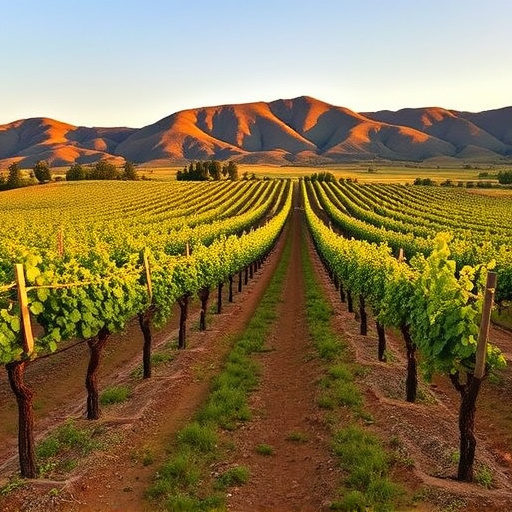
In the heart of Arizona’s Sonoran Desert, Sonoita emerges as a haven for eco-conscious wine enthusiasts seeking authentic experiences. Tour Sonoitas eco-friendly wineries, and you’ll embark on a journey where nature’s nurture is not just observed but deeply immersed in. These sustainable vineyards offer more than just green wines; they provide a glimpse into harmonious coexistence with the surrounding environment. Each sip becomes a testament to the region’s unique terroir, shaped by its arid climate and rich history.
Sonoita wine tours naturally showcase cutting-edge sustainability practices that transform traditional viticulture. Grapevines, meticulously tended to without synthetic chemicals, thrive under the desert sun, yielding grapes of exceptional quality. Winemakers here embrace organic and biodynamic principles, ensuring minimal environmental impact while maximizing flavor intensity. For instance, some wineries employ regenerative farming techniques, such as cover cropping and compost amendment, to improve soil health and biodiversity. These practices not only contribute to a healthier ecosystem but also result in wines with distinctive character and complexity.
As you navigate through Sonoita’s lush vineyards, you’ll encounter diverse microclimates that support an array of grape varieties. From the sun-drenched hillsides where robust reds flourish to the cooler slopes ideal for delicate whites, each wine reflects the specific terroir it calls home. Tour guides, often passionate viticulturists, share insights into these unique growing conditions, allowing visitors to truly appreciate the art and science behind each bottle. Engage in conversations that go beyond surface-level discussions; ask about water conservation methods, renewable energy sources, and native wildlife habitat restoration projects—essential elements of Sonoita’s commitment to sustainability.
To fully embrace the experience, consider participating in wine tastings conducted within natural settings. Some wineries offer outdoor seating amidst sprawling vineyards or by the serene shores of local reservoirs. These immersive settings allow you to connect with both the wine and the landscape, fostering a deeper appreciation for the region’s ecological treasures. Leave with not just a palate full of memorable tastes but also an understanding of how Sonoita continues to revolutionize the wine industry through its unwavering dedication to green practices.
By exploring eco-friendly wineries on Sonoita wine tours, visitors can experience not just exceptional greenspace and sustainable practices, but also a profound connection to nature. The article highlights the unique blend of environmental consciousness and quality wine production that defines Sonoita. Key insights include the importance of supporting sustainable agriculture, understanding the benefits of green winemaking techniques, and appreciating the region’s natural beauty. Moving forward, those inspired by this journey can actively seek out eco-conscious wineries in their own regions, contribute to a greener wine industry, and share their experiences to encourage others to participate in these meaningful, sustainable tasting adventures naturally.