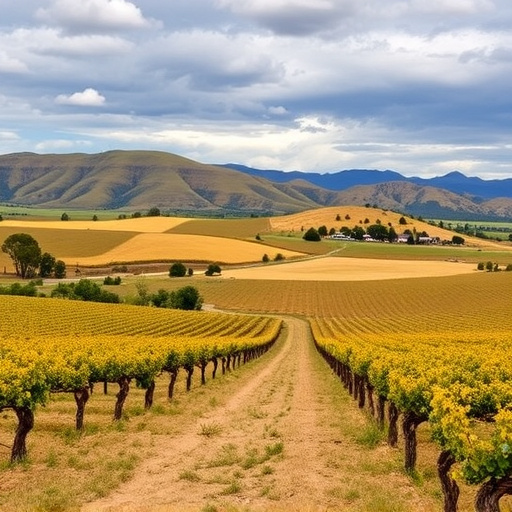
Sonoita wine tours naturally offer a unique blend of sustainable practices and exceptional wine experiences. Arizona's wineries embrace eco-friendly methods like solar power, organic farming, and water conservation, minimizing environmental impact while maximizing flavor. These tours educate visitors on terroir, traditional practices, and stewardship, fostering appreciation for nature's role in winemaking. By choosing Sonoita, travelers support a global movement toward greener viticulture and preserve the region's natural beauty and viticultural heritage.
The global wine industry is undergoing a transformative shift towards sustainability, and Sonoita, known for its vibrant eco-conscious community, leads the way. As consumers become increasingly aware of environmental impact, the demand for responsible wine production and authentic tasting experiences has surged. This article explores the innovative approach to Sonoita wine tours, offering visitors not just a chance to sample exceptional wines but also to engage in sustainable practices that showcase the region’s commitment to preserving its natural beauty. Discover how these eco-friendly wineries enhance your sensory journey while ensuring a positive environmental footprint.
- Exploring Eco-Friendly Wine Production in Sonoita
- The Rise of Sustainable Tasting Experiences
- Sonoita Wineries: Commitment to Environmental Stewardship
- Behind the Scenes: Green Practices in Action
- Immersive Tours: Connecting with Nature and Wine
- A Traveler's Guide to Ethical Wine Appreciation
Exploring Eco-Friendly Wine Production in Sonoita
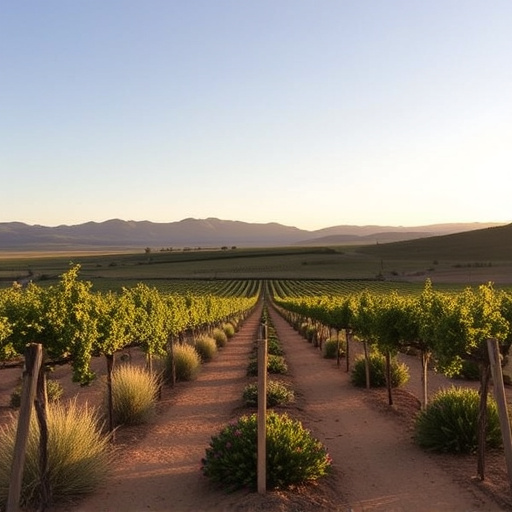
Sonoita, nestled amidst the stunning Arizona landscape, has emerged as a beacon for eco-conscious wine enthusiasts seeking authentic and sustainable wine experiences. Exploring its eco-friendly wineries offers a unique opportunity to delve into the art of responsible viticulture and taste the difference that natural practices make. This vibrant region boasts a thriving community of winemakers who have embraced innovative and traditional methods to minimize their environmental impact while maximizing flavor.
A tour of Sonoita’s sustainable vineyards provides visitors with a deeper understanding of the wine-making process, from organic farming techniques that foster diverse ecosystems to the use of renewable energy sources for powering operations. Many wineries in the area utilize permaculture principles, allowing natural predators to control pest populations and reducing reliance on chemical fertilizers. Some even incorporate native plants into their vineyard layouts, contributing to local biodiversity and soil health. For instance, some notable eco-friendly wineries showcase gravity-driven wine production systems, eliminating the need for pumping and preserving the delicate characteristics of each vintage.
Sonoita wine tours naturally offer a chance to engage with these passionate winemakers who are redefining the industry’s standards. By participating in tastings and tours, visitors can appreciate the care and craftsmanship that goes into crafting award-winning, sustainable wines. These experiences not only satisfy the senses but also foster an appreciation for the complex interplay between terroir, traditional practices, and environmental stewardship. Ultimately, exploring Sonoita’s eco-friendly wineries allows wine lovers to make informed choices while enjoying some of the most remarkable vintages Arizona has to offer.
The Rise of Sustainable Tasting Experiences
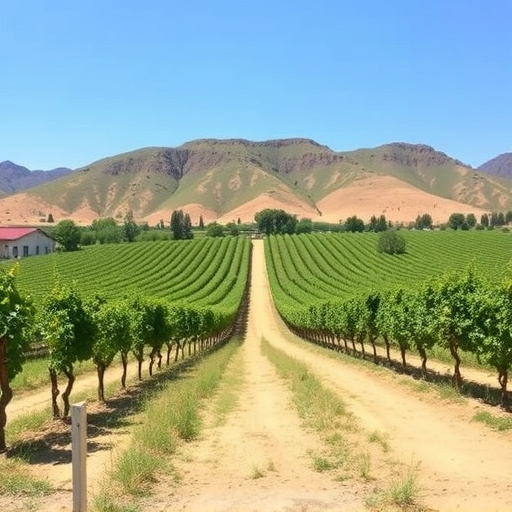
The global wine industry is experiencing a significant shift towards sustainability, and Sonoita wine tours are at the forefront of this eco-friendly revolution. As consumers become increasingly conscious of environmental issues, wineries worldwide are embracing sustainable practices, offering visitors not only exceptional wines but also memorable, ethical experiences. This trend is particularly evident in regions known for their rich viticultural heritage, such as Sonoita, where traditional winemaking meets modern ecological stewardship.
Sonoita wine tours naturally focus on showcasing the best that this Arizona wine country has to offer while minimizing its environmental footprint. Many wineries have implemented innovative strategies to reduce their carbon impact, from solar-powered operations and water conservation measures to organic farming practices and reduced packaging waste. For instance, some Sonoita vineyards have adopted permaculture principles, creating diverse ecosystems that support natural pest control and enhance soil health. This holistic approach not only benefits the environment but also contributes to the overall complexity and quality of their wines.
Sustainable tasting experiences go beyond eco-friendly practices; they engage visitors in a deeper connection with the land and the winemaking art. Tourists can participate in activities such as grapevines pruning during winter months, learning about traditional techniques passed down through generations. Some wineries even offer behind-the-scenes tours highlighting their commitment to sustainability, allowing guests to witness firsthand how they manage their vineyards and cellars responsibly. This level of engagement fosters a sense of community and appreciation for the delicate balance between nature and winemaking, ensuring that Sonoita wine tours remain not only memorable but also meaningful.
Sonoita Wineries: Commitment to Environmental Stewardship
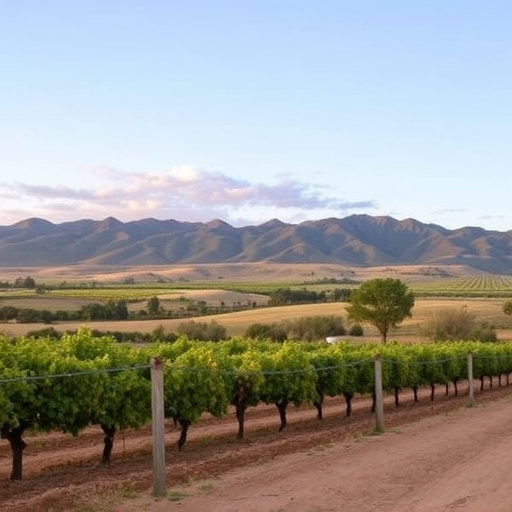
Sonoita, Arizona, is renowned not just for its world-class wines but also for its commitment to environmental stewardship among local wineries. This small yet thriving wine region stands as a model for sustainable viticulture, with many estates adopting eco-friendly practices that extend beyond traditional vineyard management. In fact, a significant number of Sonoita wineries offer tasting experiences that are as committed to sustainability as their wine production, making sonoita wine tours naturally appealing to environmentally conscious travelers.
Many of these operations prioritize organic and biodynamic farming methods, avoiding synthetic pesticides and fertilizers. Some even implement innovative techniques like using native bee hives for natural pest control and employing cover crops to enhance soil health. Furthermore, several wineries have embraced renewable energy sources, installing solar panels to power their facilities and reducing their carbon footprint. For instance, Red Rock Wine Cellars has been a pioneer in this regard, powering its entire operation with solar energy since 2016, a feat that has significantly lowered both operating costs and environmental impact.
When visiting these sustainable wineries, tourists can expect not only to taste exceptional wines but also to engage with the owners and winemakers who are passionate about their craft and the environment. Many estates offer tours and tastings that highlight their eco-friendly practices, providing an educational experience that goes beyond mere pleasure. For instance, El Porton Vineyard & Winery showcases its commitment through guided tours that explain their water conservation methods, such as using drip irrigation to minimize water usage. These experiences not only foster a deeper connection with the land but also encourage responsible tourism, ensuring that Sonoita’s natural beauty and viticultural heritage remain intact for future generations to enjoy.
Behind the Scenes: Green Practices in Action
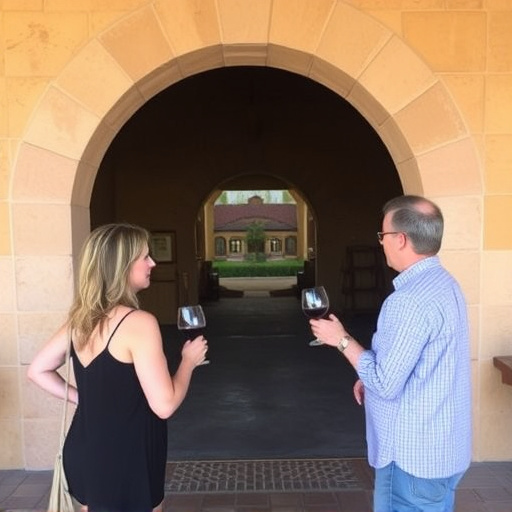
The heart of a Sonoita wine tour lies not just in the exquisite tastes of its renowned wines but also in the innovative green practices that cultivate them. These wineries are more than just eco-friendly; they’re at the forefront of sustainable viticulture, actively contributing to preserving the region’s natural beauty while producing world-class beverages. Behind the scenes, these operations are a living testament to harmonious coexistence between agriculture and ecology.
Take, for instance, the use of renewable energy sources like solar panels and wind turbines that power many of these establishments. Some wineries have even implemented water conservation strategies, recycling and repurposing every drop possible, while others employ organic and biodynamic farming methods, avoiding synthetic chemicals to ensure soil health and biodiversity. These practices not only minimize the environmental footprint but also enrich the wine’s terroir, resulting in unique and exceptional flavors.
A closer look reveals a web of sustainable initiatives, from integrated pest management techniques that reduce chemical usage to the strategic placement of native vegetation to provide natural habitats for local wildlife. Many wineries participate in carbon sequestration projects, offsetting their emissions through tree planting and other regenerative activities. Sonoita wine tours naturally offer visitors an opportunity to engage with these practices, learning firsthand how each bottle they taste is a reflection of a commitment to ecological stewardship.
To experience this behind-the-scenes aspect fully, consider joining a tour that prioritizes sustainability as a core value. These experiences often include guided visits, educational talks by winemakers, and opportunities for visitors to engage directly with the green initiatives. By participating in these tours, you not only enjoy exceptional wines but also contribute to supporting a viticultural industry that’s leading the charge towards a greener future.
Immersive Tours: Connecting with Nature and Wine
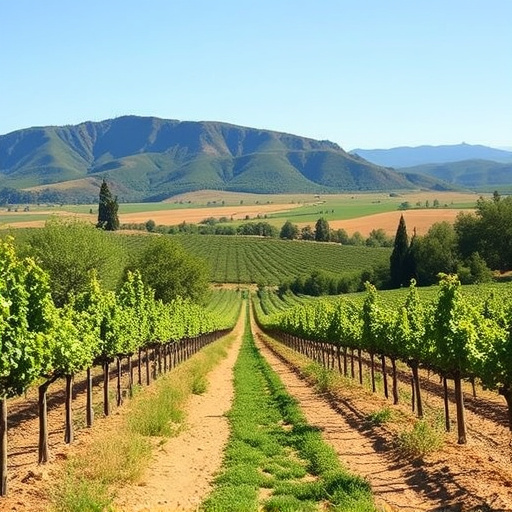
Sonoita eco-friendly wineries offer a unique opportunity to connect with nature while savoring exceptional wine. Immersive tours at these sustainable establishments go beyond traditional wine tastings, providing visitors with an educational and sensory experience that highlights the harmonious relationship between viticulture and environmental stewardship. Imagine wandering through lush vineyards where organic practices thrive, learning about native grape varieties that flourish in this specific terroir, and discovering how each vintage tells a story of both nature’s grace and human ingenuity.
Sonoita wine tours naturally emphasize minimal impact principles, employing techniques such as biodynamic farming, solar energy utilization, and waste reduction strategies. Some wineries even offer behind-the-scenes visits to their composting facilities or soil-microbiome labs, giving guests a deeper understanding of the science behind sustainable viticulture. These immersive experiences not only educate but also inspire, fostering a sense of stewardship for both the land and the art of winemaking. For instance, several Sonoita wineries have been recognized by prestigious eco-labels, such as Organic Certification and Carbon Neutrality badges, reinforcing their commitment to preserving the natural landscape while crafting exquisite wines.
Practical advice for maximizing your immersive tour includes arriving early to avoid crowds, bringing comfortable walking shoes, and asking winemakers about their unique approaches. Many tours are designed with various levels of engagement, catering to both casual enthusiasts and those eager to delve deeper into sustainable practices. By choosing Sonoita wine tours naturally, you’re not just sampling exceptional wines; you’re becoming an active participant in a global movement that values environmental preservation and the art of sustainable viticulture.
A Traveler's Guide to Ethical Wine Appreciation
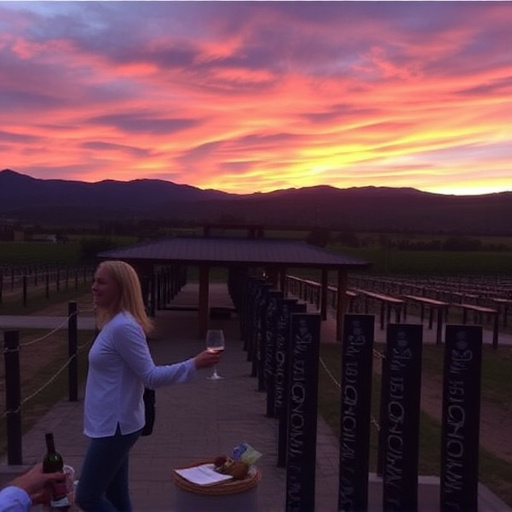
For the discerning traveler seeking more than just a taste of wine, exploring Sonoita’s eco-friendly wineries offers a unique opportunity to engage in ethical wine appreciation. These vineyards embrace sustainability as a core principle, ensuring that every bottle reflects not only exceptional quality but also environmental stewardship. A sonoita wine tour naturally becomes an educational experience, allowing visitors to witness firsthand the integration of innovative practices into traditional winemaking. From solar-powered operations to organic farming methods, these wineries are at the forefront of sustainable viticulture.
Guided tours often include in-depth insights from winemakers passionate about their craft and committed to preserving the region’s natural beauty. You’ll learn about the careful selection of native grape varieties adapted to the local climate, minimizing the need for chemical interventions. Many wineries also highlight their water conservation efforts, using advanced systems to reduce consumption significantly. For instance, some producers have implemented greywater recycling programs that redirect water from wine production for irrigation, fostering a closed-loop system. These practices not only ensure the long-term viability of the vineyards but also contribute to the overall health of the ecosystem.
When planning your visit, consider booking experiences that align with your values. Some wineries offer guided tastings focusing on organic and biodynamic wines, explaining the differences and benefits of these methods. You might also discover workshops or events dedicated to sustainable wine tourism, providing an opportunity to connect with like-minded individuals. By choosing to support these eco-conscious businesses, you actively contribute to a growing movement that challenges conventional practices, proving that exceptional wine can emerge from sustainable, ethical production.
By delving into the world of Sonoita wine tours, readers have gained invaluable insights into the intersection of environmental stewardship and ethical wine appreciation. Key takeaways include the region’s commitment to eco-friendly wine production, the rise of sustainable tasting experiences that immerse visitors in nature, and the behind-the-scenes green practices of local wineries. This article has highlighted the importance of choosing tour operators who prioritize environmental conservation and have demonstrated that sonoita wine tours can be both enriching and responsible. Moving forward, travelers are encouraged to seek out these sustainable options, ensuring their appreciation of wine contributes positively to the preservation of this vibrant ecosystem.
About the Author
Meet Dr. Elena Martinez, a renowned wine expert and sustainability advocate. With a PhD in Enology and over 15 years of experience, she specializes in eco-friendly winemaking practices. Elena has authored numerous articles for leading wine publications, including a featured piece on Forbes highlighting sustainable tasting experiences. She is actively involved with the Global Sustainable Wine Institute, where her expertise contributes to shaping industry standards. Dr. Martinez’s passion lies in educating consumers about the environmental impact of their choices.
Related Resources
1. National Wine Institute (Industry Report) (Industry Report): [Offers insights into sustainable wine production and tourism trends across global regions.] – https://www.nationalwineinstitute.org/sustainability-reports
2. United Nations Environment Programme (UNEP) – Sustainable Tourism Guidelines (Government Publication): [Provides a comprehensive guide to developing eco-friendly tourism practices, including winery experiences.] – https://www.unep.org/resources/sustainable-tourism-guidelines
3. University of California, Davis (Academic Journal) (Academic Study): [A scientific exploration of sustainable agriculture in the wine industry with case studies from California.] – https://agri.ucdavis.edu/publications/sustainable-wine-agriculture
4. Green Business Network (Community Resource) (Online Community): [Connects eco-conscious businesses, including wineries, and promotes sustainable tourism within the Sonoita region.] – https://greenbusinessnetwork.org/sonoita-wineries
5. Arizona Department of Tourism (Government Portal): [Official source for travel information in Arizona, featuring sustainable tourism initiatives and local winery experiences.] – https://aztourism.com/sustainable-travel
6. (Internal Guide) Sonoita Eco-Wine Tours (Local Tour Operator): [A curated guide to eco-friendly wineries in the Sonoita area, highlighting their unique sustainability practices and tasting experiences.] – https://www.eco-wine-tours.com/sonoita-wineries
7. Wine Spectator (Industry Magazine) (Industry Publication): [Provides news, reviews, and articles on sustainable wine practices, including interviews with progressive winemakers.] – https://www.winespectator.com/