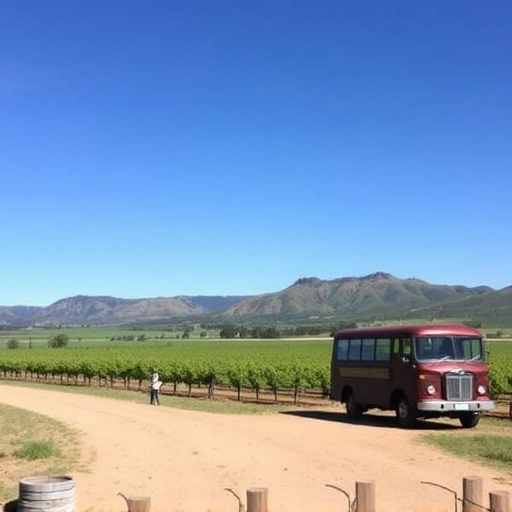
Sonoita wine tours naturally highlight the region's unique terroir shaped by high elevation and volcanic soils, resulting in distinct grape varieties like Grenache, Syrah, and Mourvèdre. Cooler temperatures slow sugar accumulation, preserving bright fruit flavors, earthy undertones, and nuanced minerality. Tours offer seasonal experiences, with spring and fall ideal for optimal weather. Guided tastings, early harvests, smaller batches, and minimal intervention unlock complex, unique high elevation wine flavors, enhancing the tasting experience through expert insights and tailored pairings.
High elevation wines have long captivated wine enthusiasts for their distinct character and quality. Arizona’s Sonoita region stands out as a premier destination for exploring these unique vintages, offering an array of exceptional vineyard experiences through sonoita wine tours. However, navigating this vibrant yet labyrinthine landscape can be daunting for newcomers. This article delves into the art of savoring high-elevation wines during Sonoita vineyard tasting adventures, providing insights that enable aficionados and curious folk alike to unlock the full tapestry of these remarkable offerings.
- Discovering Sonoita's Elevated Wine Terroir
- Navigating Wine Tours for Optimal Tasting Experiences
- Unlocking High Elevation Wine's Unique Flavors
Discovering Sonoita's Elevated Wine Terroir
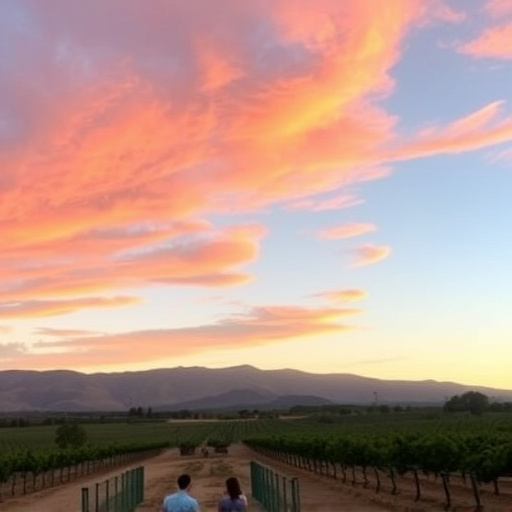
Sonoita’s elevated wine terroir is a result of its unique geographical position at high elevations, offering distinct characteristics that set its wines apart. This desert town, nestled among towering mountains, experiences cool nights and warm days, creating a microclimate ideal for specific grape varieties to flourish. The region’s volcanic soils, formed from ancient lava flows, add mineral notes and exceptional drainage, further enhancing the wine’s complexity.
When participating in Sonoita wine tours, visitors have the opportunity to explore these diverse terroirs. Many vineyards here cultivate grapes like Grenache, Syrah, and Mourvèdre, which thrive in the cooler climate. These varietals contribute rich, spicy flavors and vibrant acidity to the wines. For instance, a 2021 study by the Sonoita Valley Wine Growers Association revealed that average temperatures during grape ripening are approximately 7°F (4°C) cooler than surrounding regions, leading to slower sugar accumulation and higher acid retention in the grapes.
Expert sommeliers emphasize that understanding this terroir is key to appreciating the wines. A guided sonoita wine tour allows enthusiasts to learn about the region’s geology, climate, and viticultural practices. By experiencing these factors firsthand, visitors can better understand why Sonoita wines exhibit distinct characteristics such as bright fruit flavors, earthy undertones, and nuanced minerality. This knowledge not only enriches the tasting experience but also fosters a deeper connection with the unique wine culture of this high-elevation paradise.
Navigating Wine Tours for Optimal Tasting Experiences
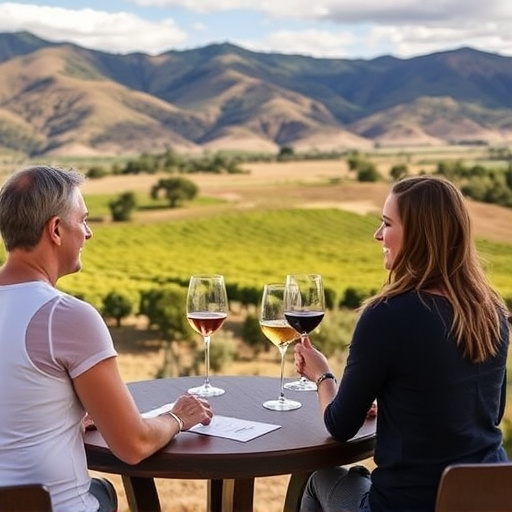
Navigating wine tours in Sonoita offers a unique opportunity to savor high elevation wines, renowned for their distinct character and quality. The key to an optimal tasting experience lies in planning and preparation. Many visitors find themselves overwhelmed by the abundance of choices and diverse vineyard settings. To make the most of your trip, it’s essential to research and choose tours that align with your preferences and drinking style.
Sonoita wine tours naturally cater to various tastes, from traditional red blends to innovative experimental varieties. Consider seeking out tours known for their focus on sustainability and unique terroir. Some highly regarded producers offer intimate tastings at their historic estates, providing insights into the art of winemaking. Additionally, touring with a knowledgeable guide can significantly enhance your experience. These experts can share stories behind the vines, highlight specific wine characteristics, and even offer pairings tailored to your palate.
Time of year plays a significant role in tour selection. Spring and fall tend to be peak seasons, offering ideal weather for vineyard exploration. During these times, you’ll find vibrant landscapes and active winemaking processes. Conversely, summer months bring hotter temperatures, but they’re perfect for outdoor activities like hiking through vineyards or enjoying picnic tastings. Winter, while quieter, provides a cozy atmosphere for intimate gatherings and exploring lesser-known wineries. Always check winery websites or contact them directly to confirm operating hours and any special events during your visit.
Unlocking High Elevation Wine's Unique Flavors
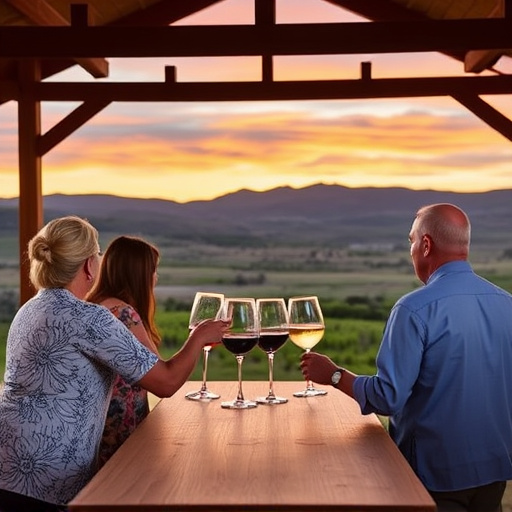
High elevation wines from Sonoita offer a distinct and captivating flavor profile that sets them apart from their lower-altitude counterparts. As vineyards ascend to higher latitudes, various environmental factors come into play, influencing the vine’s growth and subsequent wine characteristics. The cooler temperatures, reduced sunlight, and thinner air at these elevations contribute to slower ripening, resulting in wines with enhanced acidity, vibrant fruit flavors, and often, a subtle earthy or herbal undertone.
Sonoita wine tours provide an unparalleled opportunity to explore these unique terroirs. The region’s microclimates vary significantly between valleys and mountainsides, allowing for diverse grape varieties to thrive. For instance, the higher elevations of the Santa Catalina Mountains can produce Grenache with remarkably intense aromatics and a complex blend of red fruits. In contrast, lower-lying areas may offer Syrah with darker berry notes and a smoother texture. This natural variation allows winemakers to craft wines that reflect the distinct character of their land, creating a sensory experience like no other.
Experts suggest that the key to unlocking these high elevation wine flavors lies in patience and precision. Winemakers must carefully monitor harvest times, often picking earlier to preserve acidity. Additionally, smaller batch production and minimal intervention during fermentation can enhance the wine’s natural complexities. When visiting Sonoita for a vineyard tour, enthusiasts should pay close attention to these details, as they significantly impact the final product. Engaging with local winemakers can provide valuable insights into their art, ensuring a more profound appreciation of the unique flavors that high elevation wines have to offer.
By exploring Sonoita wine tours, enthusiasts can immerse themselves in a unique wine terroir shaped by high elevation. This article has illuminated key insights: understanding this specific climate unlocks distinct flavor profiles; guided tours offer optimal tasting experiences by navigating diverse vineyards; and engaging with local experts reveals the intricate dance between grapes and their environment. Embracing these principles during future sonoita wine tours will enrich the appreciation of these specialized, elevated wines.