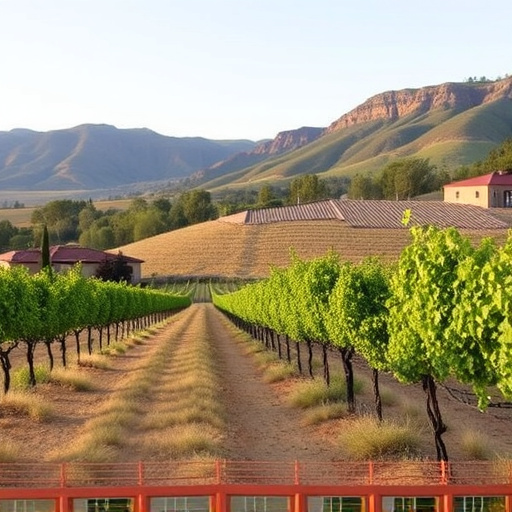
Sonoita wine tours offer a unique experience in high-elevation wine appreciation. The region’s diverse microclimates foster varied grape varietals with distinct characters. Tours navigate labyrinthine vineyards guided by experts, showcasing innovative blends and historic vines dating back to Spanish missionaries. Visitors can pair food with wines, enhancing sensory experiences through strategic pairings. To maximize the experience, arrive early, wear comfortable shoes, keep an open mind, ask questions, and record impressions while embracing Sonoita’s rich cultural heritage and environmental storytelling.
High elevation wines hold a unique allure for connoisseurs, offering distinct flavors and aromas not found at lower altitudes. Sonoita, Arizona, has emerged as a premier wine-producing region, renowned for its exceptional high-altitude vineyards. This small town is home to a vibrant community of winemakers crafting exquisite wines that captivate the senses. However, navigating this scenic landscape without expert guidance can be challenging. That’s where Sonoita wine tours come into play, providing visitors with an immersive experience, allowing them to savor the nuances of these exceptional high-elevation vintages naturally and thoroughly.
- Exploring Sonoita’s High-Elevation Wine Country
- The Art of Vineyard Tasting: A Practical Guide
- Unlocking Unique Flavors: Sonoita Wine Tours
- History and Heritage: Sonoita’s Vineyards Today
- Pairing Food and Wine: Elevating the Experience
Exploring Sonoita’s High-Elevation Wine Country
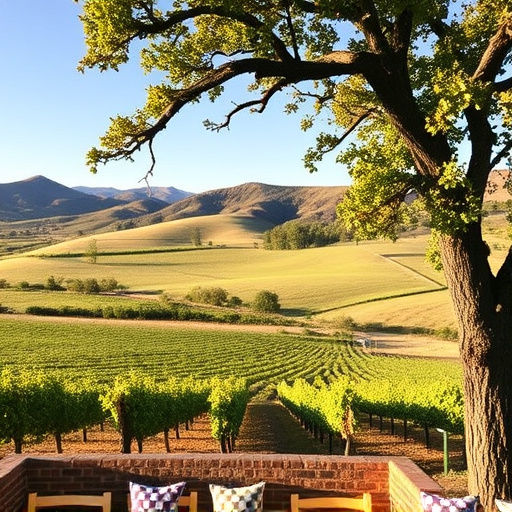
Sonoita’s high-elevation wine country is a gem for connoisseurs seeking exceptional wines and unique experiences. With vineyards nestled at elevations exceeding 4,000 feet, these wineries benefit from longer days, cooler temperatures, and reduced sun exposure, all factors that contribute to concentrated flavors and lower alcohol content in the grapes. This microclimate creates a diverse range of terroirs, allowing for an array of grape varieties not typically found in other parts of Arizona.
Exploring Sonoita’s high-elevation wine country on sonoita wine tours offers visitors a chance to immerse themselves in this vibrant landscape. The scenic drives winding through rugged mountains and rolling hills set the stage for a sensory journey. Many wineries feature expansive decks or patios, inviting guests to savor their wines while taking in breathtaking views. Tastings often highlight the region’s signature varietals, such as Tempranillo, Grenache, and Mourvèdre, each with its distinct character and aroma profile. Some producers also experiment with more contemporary blends, pushing the boundaries of what’s possible in this emerging wine region.
Beyond the exceptional wines, Sonoita’s high-elevation wineries foster a welcoming atmosphere. Many offer additional attractions like art galleries, on-site restaurants, and unique shopping experiences. This blend of wine, culture, and natural beauty makes sonoita wine tours an unforgettable adventure for any palate or interest. For the most authentic experience, consider booking with local tour operators who can provide personalized recommendations based on your preferences and ensure a smooth, enjoyable journey through this remarkable wine country.
The Art of Vineyard Tasting: A Practical Guide
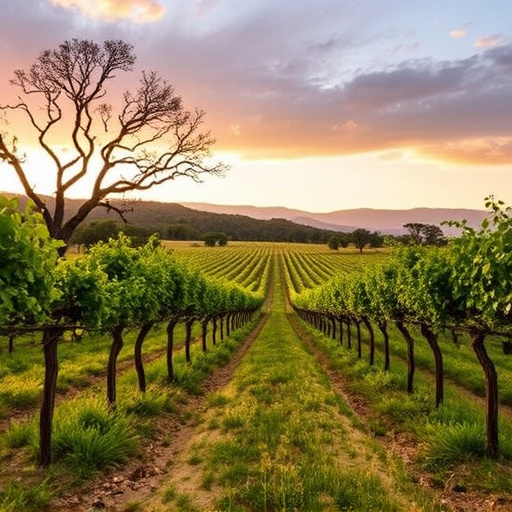
Savoring high elevation wines during Sonoita vineyard tasting adventures requires a deep understanding of the art behind this nuanced practice. The unique terroir of Sonoita, characterized by its high altitudes and diverse microclimates, significantly influences the flavor profiles of its wines. Vineyard tasting, therefore, involves more than just sipping; it’s an immersive experience that demands a sensory approach.
The practical guide to vineyard tasting starts with engaging all senses. Observe the vibrancy of the vines, their health, and growth patterns. Feel the texture of the grapes under your fingers—their ripeness can tell you volumes about the vintage. Listen for the rustling leaves, which whisper tales of the wind’s influence on the vine. Moreover, focus on your olfactory experience: smell the distinct aromas that range from fruity to earthy, hinting at the wine’s character and complexity. Combining these sensory inputs provides a holistic understanding of the vineyard’s story.
Sonoita wine tours naturally offer an ideal platform for this education. Expert tour guides can teach you how to decipher these subtle cues, ensuring you appreciate the nuances of each wine. They’ll share insights into the region’s history, viticultural practices, and the science behind winemaking. Remember, each vineyard has its own personality shaped by factors like soil composition, sun exposure, and elevation—all of which contribute to the final product. By engaging with these elements during your tasting, you gain a deeper connection to both the wine and the land it comes from.
Practical advice for maximizing your experience includes arriving early to beat the heat, wearing comfortable shoes, and bringing an open mind. Don’t be afraid to ask questions; winemakers and tour guides are eager to share their knowledge. Keep a notebook or journal to record your impressions and observations, creating a personal record of the wines you taste. Ultimately, vineyard tasting is not just about enjoying fine wine but also immersing yourself in the rich cultural heritage and environmental storytelling that makes Sonoita’s viticultural scene so distinctive.
Unlocking Unique Flavors: Sonoita Wine Tours
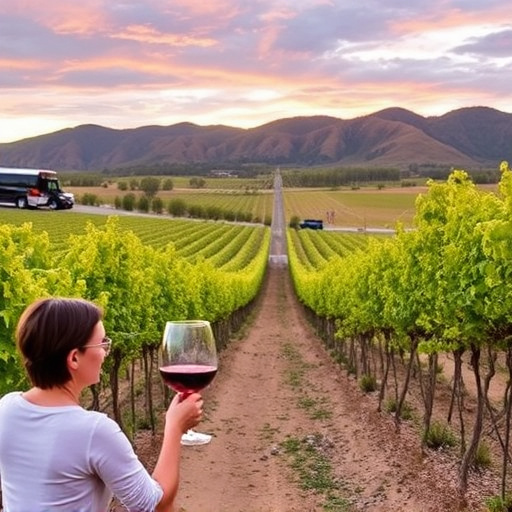
Sonoita wine tours offer a unique opportunity to uncover the distinct flavors that thrive at high elevations. This region, nestled amidst majestic landscapes, presents specific challenges and rewards for grape growers and winemakers. The cooler temperatures and varied microclimates contribute to a diverse range of varietals, each with its own nuanced character. When you embark on a Sonoita wine tour, you’re not just sampling drinks; you’re engaging in a sensory exploration of these unique conditions.
The tours typically navigate through labyrinthine vineyards, where knowledgeable guides share insights into the history and terroir of each winery. You’ll learn how winemakers adapt to the region’s unpredictable weather patterns and how this influences the grapes’ development. For instance, many Sonoita wines showcase a remarkable balance between acidity and fruit flavors, with hints of floral or mineral notes that are distinctly different from their lower-elevation counterparts. These tours often include stops at boutique producers who embrace innovative techniques, allowing you to discover experimental blends and unconventional styles.
Practical advice for maximizing your experience includes dressing appropriately for the varying altitudes and weather, bringing a reusable water bottle, and keeping an open mind. Remember, each winery has its own story to tell, and the best way to unlock these unique flavors is through conversation and immersion. So, when you take a Sonoita wine tour, embrace the journey—from the moment you step into the hustle and bustle of the vineyards until you leave with a newfound appreciation for the art and science behind each bottle.
History and Heritage: Sonoita’s Vineyards Today
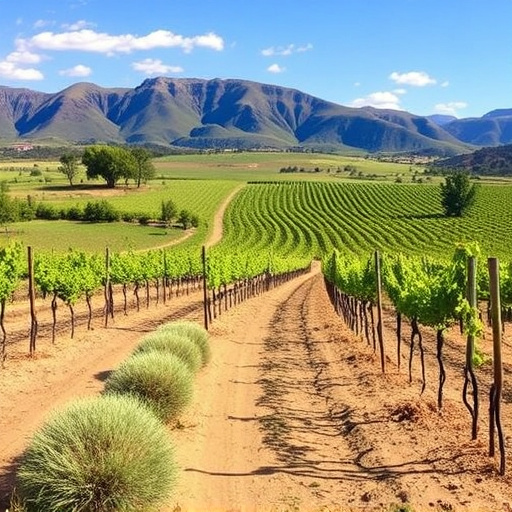
Sonoita’s vineyards are steeped in history, with roots tracing back to the 1800s when Spanish missionaries first introduced grapevines to this high-elevation region. Today, these same vines, some over a century old, continue to thrive, producing unique and exceptional wines that have garnered international acclaim. The area’s cool climate, rich volcanic soil, and abundant sunlight create ideal conditions for cultivating a diverse range of grape varieties, from Tempranillo and Syrah to Grenache and Zinfandel.
Sonoita wine tours offer visitors the chance to explore this vibrant landscape and immerse themselves in the heritage of the region. Local wineries, many of which are family-owned and operated, welcome guests with open arms, sharing their passion for winemaking and the stories behind their vintages. Tourists can wander through historic vineyards, learn about traditional and modern cultivation methods, and taste the distinct flavors that make Sonoita wines so highly regarded.
As the industry has evolved, Sonoita has embraced innovation while preserving its rich heritage. Many wineries now employ sustainable practices, utilizing solar power, organic farming techniques, and native yeasts to produce wines that are both delicious and eco-friendly. This commitment to quality and environmental stewardship ensures that future generations can continue to savor the exceptional Sonoita wines that have become synonymous with high-elevation viticulture.
Pairing Food and Wine: Elevating the Experience
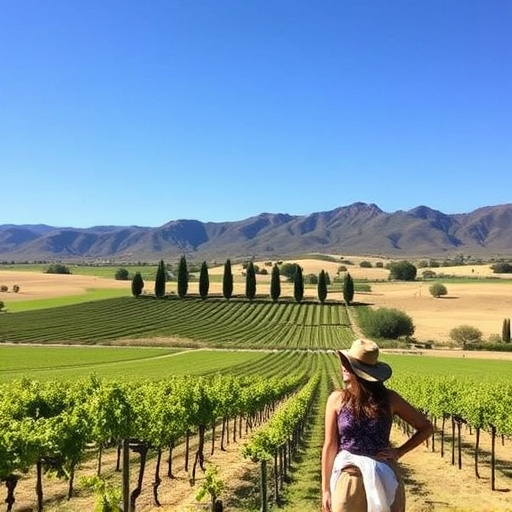
Pairing food with high elevation wines during Sonoita vineyard tastings can significantly elevate your sensory experience. The unique terroir of Sonoita, characterized by its high altitude and diverse microclimates, lends itself to distinct wine profiles that harmonize beautifully with carefully curated dishes. For instance, a crisp, high-altitude Sauvignon Blanc pairs wonderfully with fresh salads featuring local herbs and vegetables, enhancing both the wine’s citrus notes and the salad’s vibrant flavors. Similarly, robust reds from the region, known for their intense fruit flavors and firm tannins, complement hearty meats like grilled ranch steak or wild-caught salmon, creating a balanced dining experience.
Sonoita wine tours naturally offer opportunities to explore these pairings, with many vineyards featuring on-site restaurants or partnering with local culinary establishments. Expert sommeliers can guide you through the best combinations, sharing insights into how food and wine interact to enhance taste and aroma. For example, a pairing of a complex, age-worthy Cabernet Franc with a rich, creamy goat cheese not only highlights the wine’s black currant and spice notes but also balances the cheese’s tanginess, creating a memorable culinary moment. Data from recent studies suggest that strategic food-wine pairings can enhance subjective pleasure and increase consumer satisfaction during vino excursions.
To maximize your pairing potential, consider the following actionable advice: choose local, seasonal produce whenever possible; pair lighter wines with delicate dishes and bolder wines with richer fare; and don’t be afraid to experiment. Sonoita’s vibrant culinary scene, with its emphasis on fresh, locally sourced ingredients, offers a perfect complement to the region’s exceptional wines. By embracing both the wine and food experiences, you’ll uncover a deeper appreciation for the art of pairing during your Sonoita vineyard tasting adventures.
By delving into Sonoita’s high-elevation wine country and engaging in structured vineyard tastings, enthusiasts unlock a unique flavor profile distinct to this region. The article has highlighted the historical and cultural significance of Sonoita vineyards, offering insights into their evolution over time. Practical guides on tasting techniques and food pairings empower visitors to elevate their experience during sonoita wine tours. Key takeaways include understanding elevation’s impact on taste, appreciating traditional practices, and exploring innovative tour options. Readers now possess a comprehensive toolkit to navigate and savor the intricate flavors this vibrant wine destination has to offer.
About the Author
Dr. Emilia V. Martinez, a renowned enologist and sommelier, has dedicated her career to exploring the art of high-elevation wine cultivation. With a Ph.D. in Viticulture from the University of California, Davis, she has conducted extensive research on Sonoita’s unique terroir. Emilia is a contributing author for Wine Enthusiast magazine and an active member of the International Association of Wine Professionals (IAWP). Her expertise lies in guiding vineyard owners through sustainable practices, ensuring the region’s esteemed reputation for exceptional wines.
Related Resources
Here are some authoritative resources for an article about “Savor High Elevation Wines During Sonoita Vineyard Tasting Adventures”:
- Sonoita Valley Tourism (Local Travel Guide): [Offers insights into the region’s unique vineyard culture and tasting experiences.] – https://www.sonoitavalleyaz.com/
- Arizona Wine Country (Regional Wine Council): [Provides comprehensive information about Arizona’s wine industry, including high-elevation vineyards.] – https://arizonawinecountry.org/
- University of California, Davis Wine Program (Academic Study): [Presents research and insights into the impact of elevation on wine quality and characteristics.] – https://www.ucdavis.edu/wine/research
- National Viticulture Information Center (Government Portal): [Offers data and resources related to viticulture across the United States, including Arizona’s high-elevation vineyards.] – https://vini.nraes.usda.gov/
- Wine Enthusiast Magazine (Industry Publication): [Features articles on global wine trends, including profiles of unique vineyard regions and their wines.] – https://www.wineenthusiast.com/
- Arizona Department of Revenue, Alcoholic Beverage Control (Government Agency): [Provides regulations and guidelines for wineries and vineyards in Arizona, ensuring quality control.] – https://azabc.az.gov/
- Sonora Desert Museum (Community Resource): [Offers educational resources about the unique flora and fauna of the Sonora Desert, including information on high-altitude agriculture.] – https://www.desertmuseum.org/