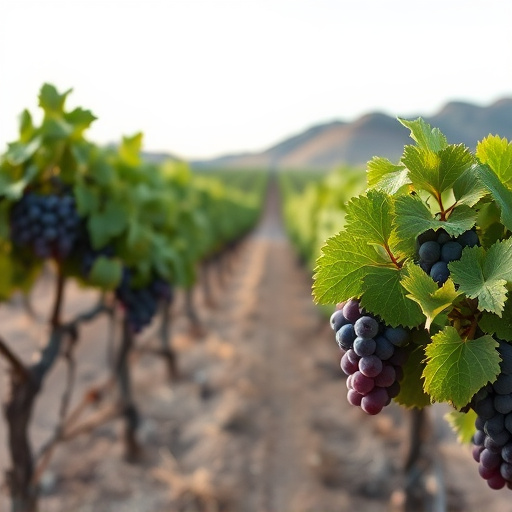
Sonoita wine country stands out for its diverse grape heritage due to varied microclimates and elevations. Tours offer unique blends, from Zinfandel to Chardonnay, with lesser-known varieties like Grenache, Mourvèdre, and Syrah. Optimal experiences occur in late summer/early autumn, engaging directly with winemakers who share insights into blend artistry and sustainable practices. Sonoita wine tours naturally provide an educational journey through remarkable flavors and viticultural history.
The vibrant world of wine is a captivating landscape where unique grape varieties play a pivotal role, shaping the distinct flavors and characters of wines from around the globe. Among the diverse wine regions, Sonoita Arizona stands out for its remarkable offerings, boasting an array of indigenous grape varieties that have flourished in this exceptional terroir. This article delves into the heart of Sonoita’s viticultural secrets, exploring its distinctive grape blends and the art of wine crafting that has captivated enthusiasts and sommeliers alike. By joining us on this journey through Sonoita wine tours, readers will uncover a hidden gem where nature’s ingenuity meets human craftsmanship, creating wines of unparalleled quality and character.
- Discovering Sonoita's Diverse Grape Heritage
- Exploring Blends: Artistry in Glass
- The Story Behind Local Wine Tours
- Unlocking Unique Varieties: A Tasting Journey
Discovering Sonoita's Diverse Grape Heritage
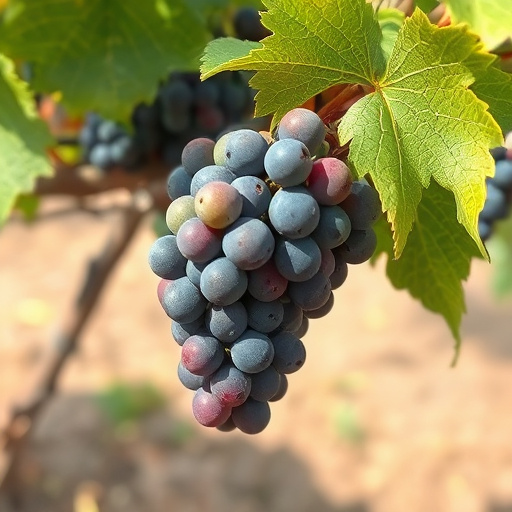
Sonoita wine country stands out for its diverse grape heritage, a testament to the region’s unique microclimates and varied elevations. This variety translates into an intriguing mix of grape varieties and blends that offer something distinct for every palate. Among the more notable are the Zinfandels from the warmer areas, known for their robust flavors and high alcohol content, contrasting with the cooler regions’ elegant Chardonnay expressions that showcase crisp acidity and subtle oak influences.
The region’s diversity is further evident in lesser-known varieties like Grenache, Mourvèdre, and Syrah, which thrive in specific pockets due to their specific temperature and soil requirements. These grapes contribute complex aromatics and unique flavor profiles to Sonoita’s wine portfolio. Local winemakers often blend these varieties to create distinctive wines that reflect the terroir, making sonoita wine tours a must for those interested in exploring this rich grape heritage.
Practical insights for visitors include planning tours during optimal times of year to catch the grapes at their peak ripeness. Visiting in late summer or early autumn allows tastings of the latest vintage blends. Additionally, engaging with winemakers directly offers valuable opportunities to learn about the grapes’ origins and unique cultivation methods, enhancing the overall tour experience.
Exploring Blends: Artistry in Glass

Sonoita wine country is renowned for its diverse and unique grape varieties, each contributing distinct flavors to the local wines. Beyond individual varietals, the true artistic expression lies in the blends crafted by skilled winemakers. Exploring these blends offers a deeper understanding of the region’s viticultural identity and the skill involved in creating harmonious, complex wines. Sonoita wine tours provide an excellent opportunity for enthusiasts to engage with this aspect of winemaking.
Winemakers in Sonoita seamlessly blend multiple grapes to create distinctive styles that often defy categorization. For instance, a common blend involves combining the robust Tempranillo with the elegant Cabernet Sauvignon and a touch of Merlot. This combination results in full-bodied reds with complex flavors of dark fruits, spices, and earthy notes. Another popular blend features the vibrant Grenache, known for its bright acidity and fruity aromas, mixed with Syrah, adding depth and a hint of peppery complexity. These blends showcase the winemakers’ ability to elevate each grape’s inherent characteristics while creating something greater than the sum of its parts.
The art of blending requires precise timing and an expert palate. Winemakers must consider factors like grape maturity, acidity levels, and tannin structure to ensure a harmonious balance in the final wine. Sonoita’s diverse microclimates and soil types contribute to these variations, allowing for a wide range of blends that cater to diverse tastes. By participating in sonoita wine tours, visitors gain insights into this blending process and can taste the creative results, often discovering new favorites among the region’s extensive offerings.
To fully appreciate the blend artistry, enthusiasts are encouraged to engage with local winemakers during tours. Asking about specific blends, grape choices, and the inspiration behind them provides valuable insights into the winemaking craft. Remember, each glass of wine tells a story, and understanding these blends is an immersive experience that deepens your connection to Sonoita’s rich viticultural heritage.
The Story Behind Local Wine Tours
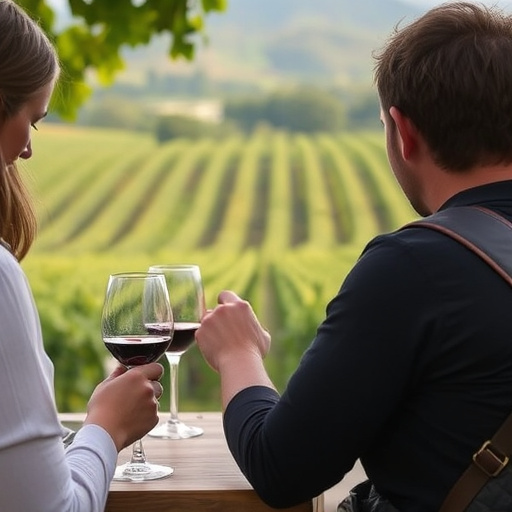
Sonoita wine country stands out for its rich terroir and diverse grape varieties, making local wine tours an immersive experience. These tours offer a deep dive into the region’s unique characteristics, where visitors can explore not just what’s in the glass but also the history and passion behind each sip. The story of Sonoita’s wines begins with its challenging yet ideal climate, characterized by hot summers and cool nights, which allows for slow ripening and complex flavor development. This environment naturally promotes the cultivation of rare and heritage grape varieties that are less common in larger wine-producing regions.
Sonoita wine tours often start at family-owned vineyards and wineries, where winemakers share their art and science with visitors. These intimate settings provide a window into the challenges and rewards of crafting such distinctive wines. Tour guides explain how certain grapes, like the rare Tempranillo or the resilient Viognier, thrive in this specific terroir, contributing to the region’s unique blends. Many wineries also highlight their sustainable practices, showcasing how they work in harmony with the land. For instance, some producers use ancient grape varieties that are naturally resistant to pests and diseases, minimizing the need for chemical interventions.
Participating in sonoita wine tours is not just about tasting; it’s a cultural exchange. Tourists gain insights into the region’s history, from its early pioneer days to the present-day resurgence of local viticulture. This immersive experience fosters a deeper appreciation for the art of winemaking and encourages visitors to explore the diverse palate offered by Sonoita’s unique grape varieties and blends. Moreover, these tours often include recommendations on where to find similar wines back home, making them invaluable resources for wine enthusiasts looking to expand their collections.
Unlocking Unique Varieties: A Tasting Journey
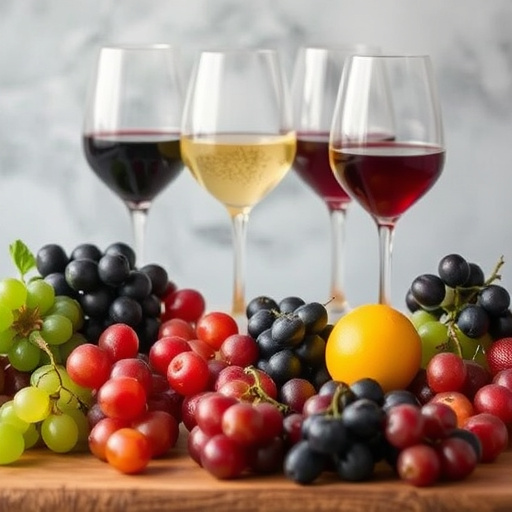
Sonoita wine country stands out for its diverse and unique grape varieties, each contributing to the region’s distinctive blends. This small but vibrant area has earned a reputation as a hidden gem among wine enthusiasts, offering a distinct sensory experience that differs from more renowned regions. Unlocking these unique varieties requires a tasting journey that delves into the microclimates and terroirs that shape each grape, resulting in remarkably diverse wines.
Sonoita’s geographic location and varying elevations create distinct growing conditions for grapes. For instance, the region’s hot, dry summers coupled with cooler nights allow for slow ripening, leading to high acidity and complex flavor profiles. This natural environment fosters a wide array of grape varieties that thrive in these specific conditions, such as Grenache, Mourvèdre, and Tempranillo, which are less common in more temperate wine regions. Sonoita wine tours naturally offer an opportunity to explore these lesser-known gems, providing visitors with a deep understanding of the terroir and its impact on the final product.
The result is a fascinating blend of old-world techniques and unique grape expressions. Local winemakers often experiment with blends that combine multiple varieties, creating complex and elegant wines. For example, a traditional Sonoran blend might include Grenache, Carignane, and Syrah, offering a distinctive flavor profile that reflects the region’s history and terroir. Engaging in these tastings provides an educational experience, allowing enthusiasts to appreciate the art of winemaking and the subtle nuances that make each bottle unique. By exploring Sonoita’s grape varieties and blends, wine lovers can uncover a hidden treasure trove of flavors, ensuring a memorable journey through this remarkable wine country.
By exploring Sonoita’s unique grape varieties and blends through either self-guided discovery or engaging sonoita wine tours, enthusiasts unlock a rich tapestry of flavors and histories. The article has revealed the diverse heritage behind Sonoita’s viticulture, highlighting local blends that showcase artistic craftsmanship in every glass. Through insightful storytelling, it became evident that each variety holds a distinct narrative waiting to be savored. Next steps for interested parties include planning a visit to participate in sonoita wine tours, where they can directly engage with producers and experience firsthand the passion that goes into crafting these remarkable wines. This journey not only promises memorable tastes but also offers profound insights into the region’s vibrant and evolving wine culture.