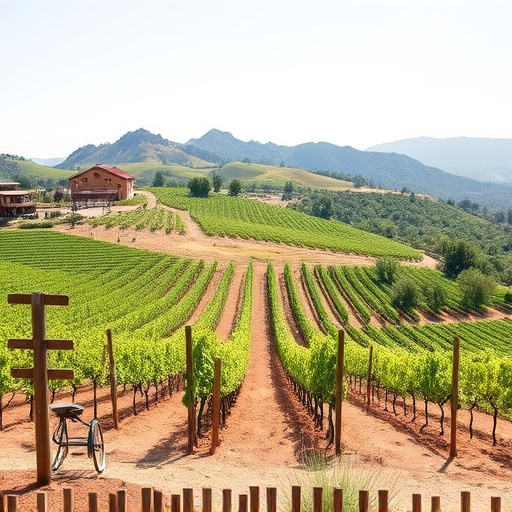
Sonoita wine tours highlight the region's unique terroir, shaped by elevation, microclimates, and soil composition. This small Arizona wine region boasts diverse landscapes, from mountains to valleys, fostering varied grape varieties and nuanced wine profiles. Local soils, ranging from sandstone to volcanic ash loam, directly influence flavors. Tours emphasize native grape strains like Tempranillo, Grenache, and Syrah, showcasing traditional winemaking methods and the region's history dating back over a century. Visitors gain insights into the science and art of winemaking, enjoying exceptional wines amidst the Sonoran Desert's rugged beauty.
The Sonoita terroir is a remarkable wine-growing region, known for its distinct character and diverse microclimates. As enthusiasts and connoisseurs seek authentic experiences, understanding the unique attributes of this area becomes paramount. However, navigating the local landscape and discerning the subtle nuances can be challenging for visitors unacquainted with the region’s intricacies. This is where expert local wine guides step in, offering valuable insights and personalized sonoita wine tours that unlock the secrets of this remarkable terroir. Their knowledge ensures a genuine connection to the land and its wines.
- Unveiling Sonoita's Unique Terroir: Expert Insights
- The Geography and Climate: Shaping Sonoita Wines
- Soil Composition: A Key Factor in Wine Quality
- Exploring Sonoita Wine Tours: Immerse Yourself in the Region
- Native Grape Varieties: What Makes Them Special?
- History and Tradition: Tasting the Past in Every Bottle
Unveiling Sonoita's Unique Terroir: Expert Insights
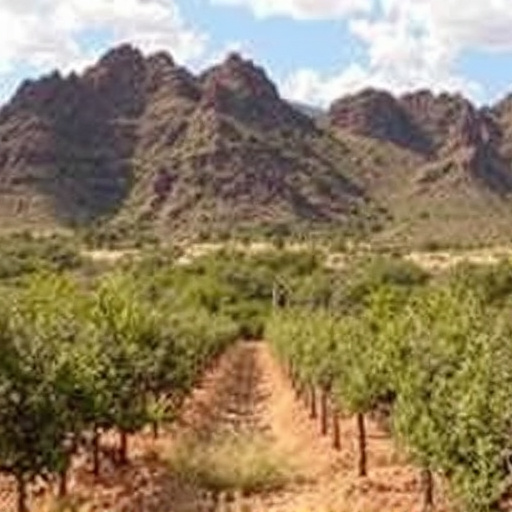
Sonoita’s terroir is a fascinating subject for wine enthusiasts and sommeliers alike, offering a unique blend of geographical, climatic, and soil factors that contribute to its distinctive wines. Experts highlight how this region’s elevation, situated in the Santa Catalina Mountains, provides a cool climate ideal for certain grape varieties, notably Zinfandel and Grenache. The area’s diverse microclimates, influenced by the surrounding desert and mountain ranges, create pockets of varying temperature and sunlight exposure, allowing for nuanced wine profiles.
Local wine guides emphasize the importance of Sonoita’s soil composition, rich in volcanic and sedimentary rocks, which impart unique mineral characteristics to the grapes. These soils drain well, preventing waterlogged roots, and promote healthy grape development. Many experts recommend sonoita wine tours for those eager to experience these terroirs firsthand. During these tours, visitors can explore diverse vineyards situated on hillsides or flatter lands, each presenting distinct terroir expressions. By comparing notes from different sites, one can truly appreciate the region’s complexity.
Furthermore, the area’s history of pioneering viticulture in Arizona adds to its allure. Early settlers introduced grapevines, and the region has since evolved into a thriving wine community. Today, Sonoita’s vintners pride themselves on crafting wines that showcase their unique terroir, attracting connoisseurs seeking authentic and diverse flavors. For an immersive experience, tourists can engage with local guides who offer insights into the science and art of winemaking, ensuring a memorable journey through this remarkable wine region.
The Geography and Climate: Shaping Sonoita Wines
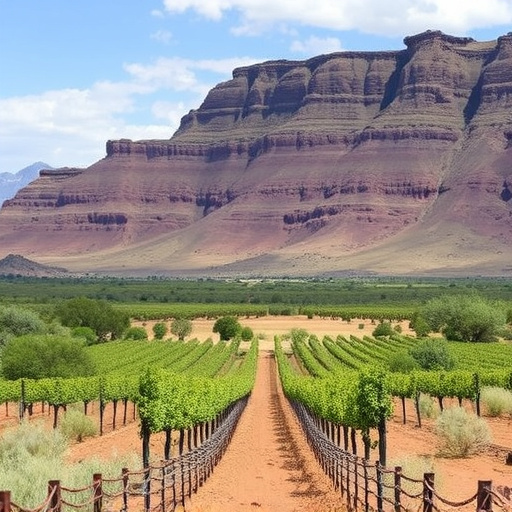
The geography and climate play a pivotal role in shaping the unique character of Sonoita wines, making them a subject of fascination for both experts and connoisseurs. Located in the heart of Arizona’s Sonoran Desert, this small yet vibrant wine region boasts a diverse landscape that includes rugged mountains, vast deserts, and fertile valleys. These varied terrains contribute to distinct microclimates, allowing for a wide range of grape varieties to thrive. The region’s climate is characterized by hot summers and mild winters, with low humidity levels—perfect conditions for viticulture.
Sonoita’s soil types also significantly influence the wines produced. The area is known for its well-draining, sandy soils derived from ancient volcanic activity, which help regulate temperature and prevent waterlogging. This natural balance ensures that grapevines receive optimal nutrient exposure, resulting in high-quality grapes. Local wine guides often emphasize the importance of understanding these terroirs during sonoita wine tours, as it provides valuable insights into the potential for different grape varieties and styles. For instance, the region’s ability to grow both red and white grape varieties with distinct characteristics is a testament to its terroir’s versatility.
Furthermore, the region’s elevation offers a cool-climate buffer within what is otherwise a desert environment. Many wineries are situated at higher elevations, benefiting from cooler temperatures during the grape-growing season. This temperature modulation allows for the cultivation of both early-ripening and late-season varieties, ensuring a long growing period and enhancing the complexity of the resulting wines. As you explore the area through guided tours, pay attention to these climatic nuances, as they contribute to the unique and diverse character of Sonoita wine.
Soil Composition: A Key Factor in Wine Quality
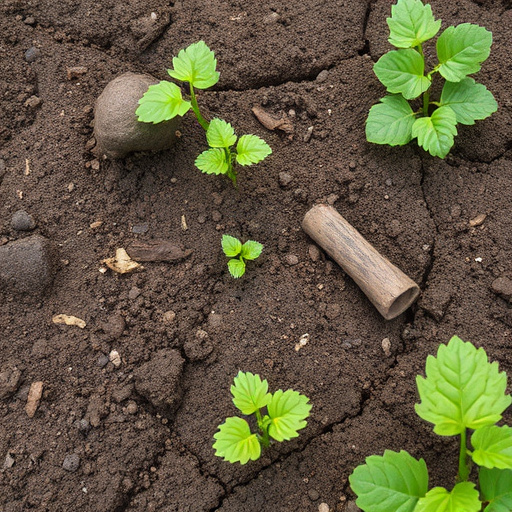
The soil beneath the vines plays a pivotal role in shaping the distinctive character of Sonoita wine. Unlike other regions where terroir is often discussed in terms of climate or geography, the unique composition of Sonoita’s soils directly influences the flavors and aromas that emerge in its world-class wines. The region boasts a variety of soil types, each with its own specific properties that benefit grape cultivation.
Soil diversity in Sonoita is largely attributed to its geographic location and varied geological history. Shallow, well-draining soils derived from sandstone and limestone allow for optimal sun exposure and air movement around the grapes, promoting healthy fruit development. Richer, loamier soils composed of volcanic ash provide essential nutrients, contributing to robust flavors and textures in the resulting wines. Expert local wine guides often highlight specific vineyards where these soil variations create unique microclimates, allowing winemakers to cultivate distinct grape varieties and produce wines with singular characteristics.
Understanding soil composition is not merely an academic exercise for Sonoita wine enthusiasts; it empowers visitors to truly appreciate the difference between a modest glass of table wine and a masterful, terroir-driven example. When undertaking sonoita wine tours, pay close attention to the terrain beneath your feet. You may find yourself captivated by the subtle nuances in flavor and style that directly correlate with the distinct soils through which those grapes journeyed on their way to the winery. This knowledge enriches the tasting experience, allowing you to connect more deeply with the land and the artistry of Sonoita’s winemakers.
Exploring Sonoita Wine Tours: Immerse Yourself in the Region
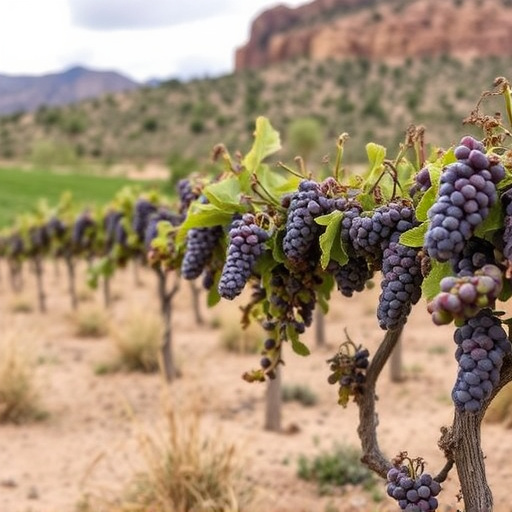
Sonoita wine tours offer an immersive experience into one of Arizona’s best-kept secrets—the unique terroir that defines its wines. This small, picturesque town is nestled in the heart of the Sonoita Valley, where volcanic soils, abundant sunshine, and cool evening breezes create ideal conditions for grape cultivation. Expert local wine guides are your key to unlocking this hidden realm, providing insights into the region’s distinct characteristics and the stories behind each vineyard.
These guided tours typically range from half-day excursions to full-day adventures, catering to various preferences. Along the way, visitors can expect to sample a diverse array of local wines, often made from varietals not commonly found elsewhere. The region is particularly renowned for its Tempranillo, Grenache, and Viognier, which thrive in the area’s microclimates and diverse terrain. Sonoita wine tours often include visits to boutique wineries, many of which are family-owned and operated, ensuring a personalized experience.
During your sonoita wine tours, you’ll wander through lush vineyards, learn about sustainable farming practices, and discover how each winery interprets the region’s terroir in their unique ways. Local guides are not just wine experts but also historians, sharing tales of the area’s early settlers, miners, and ranchers who laid the groundwork for its thriving viticulture scene today. This blend of education and enjoyment makes sonoita wine tours an unforgettable experience for both seasoned wine enthusiasts and curious newcomers alike.
Native Grape Varieties: What Makes Them Special?
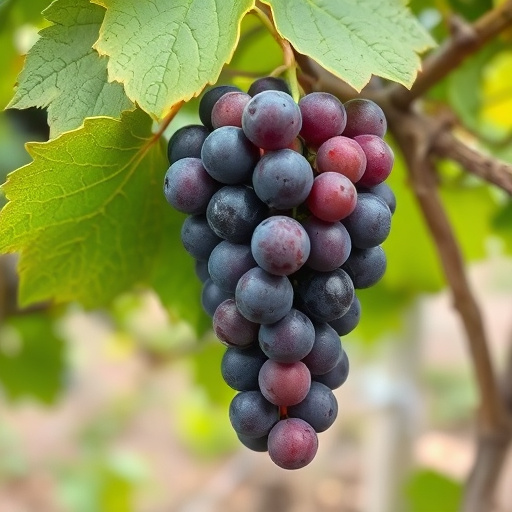
Sonoita, Arizona, is renowned for its unique terroir and native grape varieties that contribute to its distinctive wine character. Unlike many regions that focus on widely grown international grapes, Sonoita embraces its indigenous vines, making it a haven for those seeking authentic desert wines. The area’s extreme climate, with hot summers and cold winters, along with its high elevation, creates challenging but ideal growing conditions for these special grapes.
Native grape varieties like Grenache, Mourvédre, and Syrah thrive in Sonoita’s terroir, producing robust, complex wines that reflect the region’s character. These varietals have been cultivated here for decades by pioneering winemakers who recognized the potential of these local strains. For example, some estates report that their native Grenache grapes ripen as late as mid-October, allowing for exceptional flavor development and natural acidity. This delayed ripening is a direct result of the region’s cool evenings and warm days during the growing season.
When exploring Sonoita wine tours, visitors have the unique opportunity to taste these indigenous wines directly from the source. The local guides often share insights into the challenges and rewards of working with native grapes, providing an authentic and educational experience. For those interested in learning more, visiting wineries that specialize in these varietals offers a deep dive into the science and art behind Sonoita’s special terroir and the wines it produces.
History and Tradition: Tasting the Past in Every Bottle
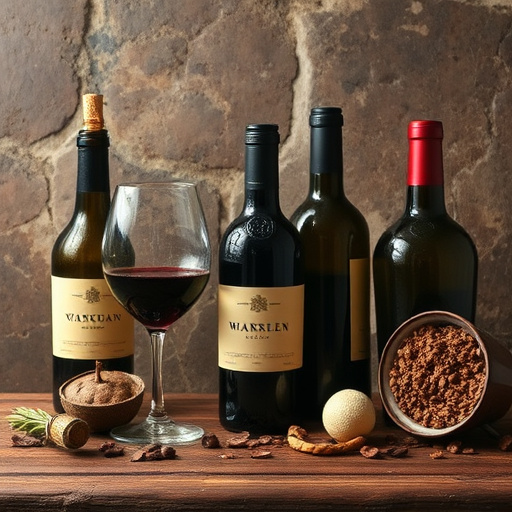
The history of Sonoita terroir is deeply intertwined with its wine culture, a heritage passed down through generations of local families. This small, yet vibrant community has been cultivating grapes and crafting wine for over a century, with early records dating back to the late 1800s. What sets Sonoita apart is its unwavering commitment to traditional methods, where each step from vineyard to glass is meticulously crafted, preserving the essence of the land. Local wine guides often lead sonoita wine tours, sharing stories of how ancient grape varieties like Grenache and Syrah were introduced by Spanish missionaries, evolving over time with the region’s unique climate and soil composition.
Every bottle of Sonoita wine tells a story of resilience and adaptation. The harsh desert terrain presented challenges, but locals embraced these conditions, developing sustainable farming practices that harmonize with nature. This deep-rooted connection to the land translates into exceptional wines known for their intense fruit flavors, complex aromas, and distinctive terroir expressions. Visiting the region during harvest season offers a unique opportunity to witness these traditions in action, from hand-picking grapes to foot-crushing them in wooden vats—a practice that has stood the test of time.
To truly appreciate Sonoita’s terroir, consider joining a guided tour where knowledgeable experts can provide insights into the regional geography and viticultural practices. These tours often include visits to historic wineries nestled amidst the rugged beauty of the Sonoran Desert, offering a sensory journey through time. By immersing yourself in these experiences, you’ll gain a deeper understanding of how the past has shaped the present-day wine culture, making every glass a testament to Sonoita’s rich heritage and exceptional winemaking artistry.
By delving into Sonoita’s unique terroir through expert local wine guides, we’ve discovered a region shaped by its diverse geography and climate, with soil composition playing a pivotal role in wine quality. The article has unveiled the significance of native grape varieties and the rich history behind each bottle. Navigating Sonoita wine tours offers an immersive experience, allowing enthusiasts to taste not just wines but also the past and present of this vibrant region. Key takeaways include understanding the intricate relationship between terroir and wine characteristics, appreciating the value of local expertise, and planning meaningful excursions through Sonoita wine tours for a deeper connection with its exceptional offerings.