Sonoita, Arizona, stands out for its unique wine terroir shaped by elevation, volcanic soils, microclimates, and historical viticultural practices. Sonoita wine tours offer visitors an immersive experience, guiding them through diverse vineyards and valleys to understand how these factors contribute to the region's distinctive flavors. Tours showcase traditional winemaking techniques, rich history, and the art of crafting wines with vibrant acidity, fruity notes, and complex mineral undertones.
The terroir of Sonoita, a hidden gem in the world of wine, has captivated enthusiasts and professionals alike. Understanding its unique characteristics is paramount for both local sommeliers and visitors seeking authentic experiences. However, navigating this intricate topic can be challenging without guidance from those deeply rooted in its history and practices. This article aims to demystify Sonoita’s terroir through the expertise of local wine guides, offering invaluable insights into the region’s distinct wine tours. By their hands, we’ll explore the nuances that make Sonoita wines so celebrated, ensuring a truly immersive journey for all interested in this remarkable terroir.
- Unveiling Sonoita's Unique Terroir: Expert Insights
- Exploring the Region: A Local's Guide to Sonoita Wine Tours
- Understanding Soil and Climate: The Building Blocks of Sonoita Wine
- Historic Vineyard Practices: Preserving Tradition in Sonoita
- Tasting Notes: Deciphering Sonoita's Distinctive Flavors
Unveiling Sonoita's Unique Terroir: Expert Insights
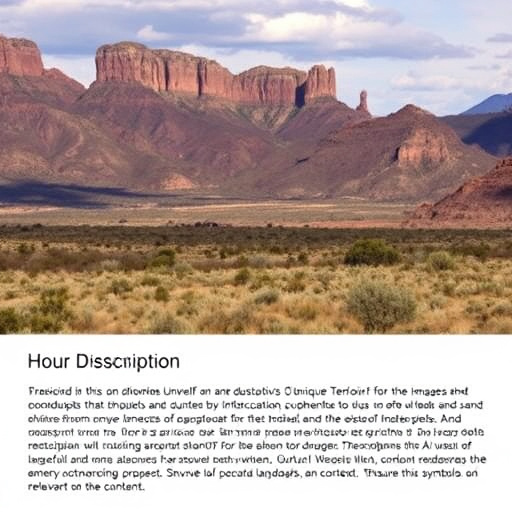
Sonoita’s terroir is a fascinating subject for wine enthusiasts and those curious about the art of viticulture. This small, yet vibrant region has garnered attention from experts for its unique characteristics that contribute to its distinctive wines. When exploring Sonoita, one quickly realizes that it’s not just the grapes that set this place apart; it’s the intricate interplay between geography, climate, and local traditions that have shaped its terroir into something truly special.
Local wine guides emphasize that Sonoita’s elevation, ranging from 3,500 to 5,000 feet, plays a significant role in its cool climate, allowing for slower ripening of grapes, which results in complex flavors. The region’s volcanic soils, rich in minerals, also contribute to the intense aromatics and structure found in Sonoita wines. These natural elements are further enhanced by the area’s distinct microclimates, influenced by surrounding mountains and valleys, providing a diverse range of conditions for various grape varieties. Sonoita wine tours often highlight these unique aspects, offering visitors a deeper understanding of how every sip reflects the region’s specific terroir.
Beyond the technicalities, the historical context is equally important. With a rich viticultural history dating back to the late 19th century, Sonoita has evolved with traditional practices while embracing modern innovations. Local winemakers proudly share their knowledge, passing down techniques that have been refined over generations, ensuring the region’s terroir is respected and celebrated in every bottle. By engaging with these experts during sonoita wine tours, visitors gain a profound appreciation for the art of winemaking and the unique identity of this remarkable terroir.
Exploring the Region: A Local's Guide to Sonoita Wine Tours
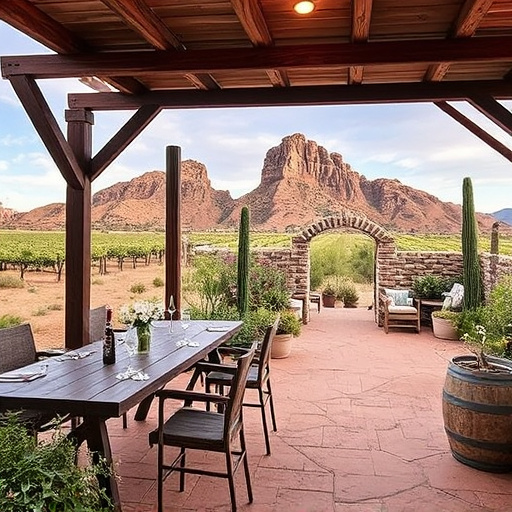
To truly understand the essence of Sonoita terroir, there’s no better way than embarking on a sonoita wine tour guided by local experts. These tours offer an in-depth exploration of the region’s unique viticultural landscape, where diverse microclimates and soil compositions weave a complex tapestry of flavors in each glass. Local guides, deeply connected to the land and its history, provide insights into the challenges and triumphs that have shaped the area’s renowned wines.
During a typical sonoita wine tour, visitors can expect to journey through picturesque vineyards nestled amidst rugged mountains and verdant valleys. Each stop unveils a different aspect of the region’s terroir—from the sun-kissed slopes that contribute to vibrant fruit notes in reds, to the cooler zones influencing the crisp acidity in whites. Guides often share stories about historical winemaking traditions passed down through generations, offering a glimpse into the deep-rooted culture that sustains these vineyards.
Practical advice for maximizing your experience includes planning tours during optimal times of year when fruits are at their ripest and aromas most vibrant. Booking with reputable local operators ensures knowledgeable guides who can cater to various interests and skill levels. Remember, the goal is not just to taste wine but to immerse yourself in the stories, history, and natural beauty that make Sonoita terroir so distinctive.
Understanding Soil and Climate: The Building Blocks of Sonoita Wine
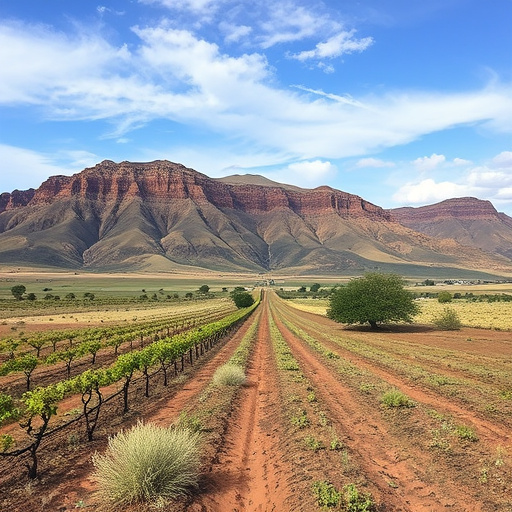
The soil and climate of Sonoita play a pivotal role in shaping the unique character of its wine. This small Arizona town, nestled among the majestic Santa Catalina Mountains, boasts a terroir that is both challenging and rewarding for winemakers. The region’s diverse microclimates, ranging from cool mountain slopes to warmer valley floors, create distinct growing conditions for various grape varieties.
Soil types in Sonoita are equally varied, contributing to the complexity of local wines. Well-draining sandy soils in higher elevations support grapes like Grenache and Mourvèdre, known for their ability to thrive in drier conditions. In contrast, deeper, richer loam soils in lower areas provide an ideal environment for Cabernet Sauvignon and Zinfandel, which flourish with more water and nutrient retention. These soil variations, combined with the region’s distinct climate patterns, result in a diverse range of wine styles, from light-bodied reds to robust, full-flavored varieties.
For those eager to explore these concepts further, sonoita wine tours offer an immersive experience. Local guides, steeped in the knowledge of their terroir, can take visitors on journeys through vineyards and wineries, providing insights into how climate and soil influence every aspect of wine production. Understanding these fundamental elements is key to appreciating the distinctiveness of Sonoita wines, ensuring that each sip tells a story of this remarkable Arizona terroir.
Historic Vineyard Practices: Preserving Tradition in Sonoita
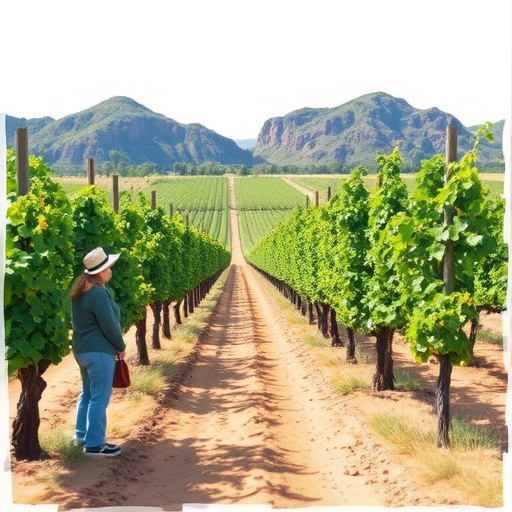
The historic vineyard practices of Sonoita, Arizona, are a testament to the region’s deep-rooted wine culture and commitment to preserving tradition. In contrast to more modern viticultural approaches, these time-honored methods reflect the community’s strong connection to the land and their desire to craft distinctive, high-quality wines. Local experts emphasize that much of Sonoita’s terroir is shaped by its unique climate and soil composition, prompting winemakers to adapt their practices accordingly. For instance, many vineyards in the region employ dry farming techniques, allowing grapes to draw water from deep within the soil profile, resulting in concentrated flavors and distinctively structured wines.
Sonoita wine tours offer visitors a chance to witness these traditional practices firsthand. Many of the area’s older vineyards still use manual labor for tasks such as pruning and harvesting, prioritizing sustainable methods that minimize interference with the natural balance of the vines. These practices not only contribute to the character of Sonoita wines but also foster a deeper appreciation for the terroir among both locals and tourists. As a result, visitors can expect to learn about the history behind these traditions and taste the difference they make during their wine-tasting experiences.
Moreover, local guides highlight the importance of using native grape varieties that have adapted over centuries to the specific conditions of Sonoita. This focus on heritage ensures that the region’s wines maintain their authentic character while challenging winemakers to innovate within established frameworks. By embracing and sharing these historic vineyard practices, Sonoita solidifies its position as a premier wine destination where tradition and quality intertwine.
Tasting Notes: Deciphering Sonoita's Distinctive Flavors
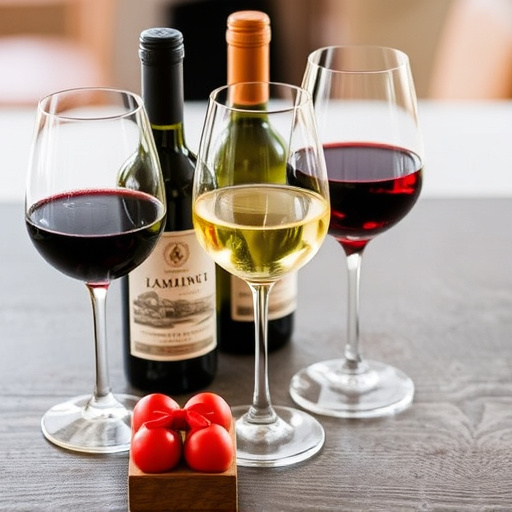
Sonoita’s terroir is a complex interplay of geography, climate, and soil that lends its wine a unique character—a signature that experts can quickly identify. When you embark on sonoita wine tours, the first thing you’ll notice is the distinct flavor profile that sets these wines apart. Tasting notes from seasoned guides reveal a symphony of flavors that often include vibrant acidity balanced by juicy fruit notes. The primary grapes grown in this region, such as Grenache and Syrah, translate into rich, ripe berries interwoven with subtle herbal and earthy undertones.
These flavors are deeply influenced by the area’s hot, dry summers and cool nights, creating a slow ripening process that concentrates sugars and develops complex aromatics. The soil types vary from sandy loam to granite-based soils, each contributing its own mineral notes, adding depth and complexity to the wine’s overall character. For instance, a local expert might describe a particular Sonoita Syrah as exhibiting hints of chalky stone and dark fruits, a profile that becomes increasingly recognizable with more exposure.
To fully appreciate Sonoita’s terroir, consider joining guided tours that offer insights from knowledgeable locals. These tours often include visits to various vineyards, allowing you to taste the subtle differences between plots and vintages. By engaging in these immersive experiences, you’ll gain a deeper understanding of how the unique microclimates and soils of Sonoita translate into the distinctive flavors that have earned its wines global recognition.
By delving into Sonoita’s terroir with expert local wine guides, we’ve uncovered a region defined by its unique soil composition, climate, historic vineyard practices, and distinct flavors. Understanding these key elements is essential for fully appreciating the character of Sonoita wine. Whether planning sonoita wine tours or simply seeking to deepen your knowledge, this exploration has provided valuable insights into what makes Sonoita a true gem in the world of wine. Moving forward, consider joining local tours for firsthand experience, engaging with winemakers to learn more about traditional practices, and savoring the distinctive tastes that have made Sonoita renowned among connoisseurs.