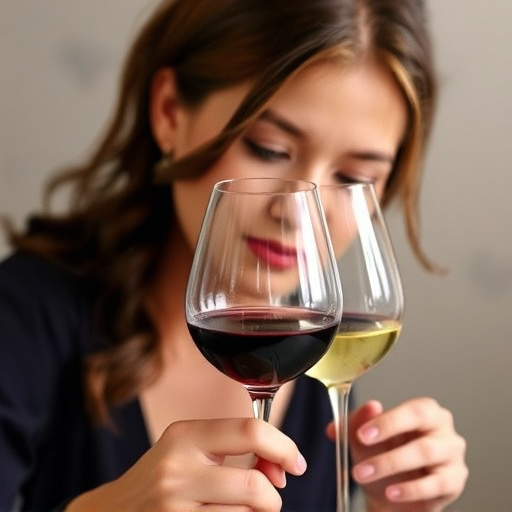
Sonoita wine tours highlight the region's unique terroir shaped by elevation, soil composition, and geographical protection. These factors create microclimates fostering diverse grape cultivation and distinct wine characteristics. Connoisseurs experience a tapestry of flavors from classic to indigenous varieties, guided by local experts who share insights on soil, climate, and elevation variations. These immersive experiences enhance understanding of the art and science behind Sonoita's renowned wines.
The terroir of Sonoita, a hidden gem in the world of wine, has captivated enthusiasts and experts alike. Understanding its unique characteristics is essential for appreciating the distinct flavors that define this region’s wines. However, navigating this beautiful yet complex landscape can be challenging for newcomers. This article aims to demystify the Sonoita terroir through the expertise of local wine guides who offer insightful sonoita wine tours. By their guidance, we’ll uncover the secrets of this vibrant terroir, ensuring a deeper connection with the area’s remarkable wines.
- Uncovering Sonoita's Unique Terroir: Expert Insights
- The Geography and Climate: A Wine Lover's Paradise
- Exploring Local Vineyards: Sonoita Wine Tours Highlights
- Tasting Notes: Deciphering the Distinctive Flavors
Uncovering Sonoita's Unique Terroir: Expert Insights

Sonoita’s terroir is a complex interplay of geography, climate, and soil that has captivated both local winemakers and visiting oenophiles alike. This unique blend contributes to the distinctive character of its wine, making it a fascinating study for experts and enthusiasts alike. Local wine guides highlight several key factors that set Sonoita apart. For instance, the region’s elevation provides cooler temperatures during the day and warmer nights, creating an optimal balance for grape ripening, resulting in well-structured reds and crisp whites.
The soil composition is another vital aspect. Sonoita’s soils are primarily composed of volcanic materials mixed with sandy loam, which drain efficiently while retaining enough moisture to support vibrant grape growth. This combination promotes deep root systems and allows for a diverse range of grape varieties to thrive. Local guides often recommend sonoita wine tours for those eager to experience these terroirs firsthand. These tours offer an immersive exploration of the region’s diverse microclimates and soil types, allowing visitors to gain a deeper understanding of how each influences the final product.
Furthermore, Sonoita’s geographical location, nestled among mountains, provides natural protection from harsh winds and extreme weather conditions. This stable environment contributes to consistent vintage quality, ensuring that grapes maintain their ideal sugar-acid balance. Local experts suggest exploring specific vineyards during tours to observe these factors in action, providing valuable insights into the terroir that make Sonoita wines so renowned. By immersing oneself in these expert-led experiences, visitors can gain a profound appreciation for the intricate relationship between land and wine in this remarkable region.
The Geography and Climate: A Wine Lover's Paradise

The Sonoita terroir, a term that captivates wine enthusiasts, is nestled in the heart of Arizona’s vibrant wine country. This region boasts a unique geographical setting and climate that fosters the cultivation of diverse grape varieties, making it a true paradise for wine lovers. The terrain is characterized by rolling hills and vast vineyards, where the sun-kissed valleys create microclimates conducive to viticulture. The area’s distinct landscape, with its varied elevations and soil compositions, allows for the expression of unique flavors in each vintage.
Climate plays a pivotal role in shaping the Sonoita wine experience. The region enjoys a warm Mediterranean climate with hot, dry summers and mild, wet winters. These seasonal shifts provide a natural rhythm for grape ripening, ensuring optimal sugar levels and acidities. The long, sunny days during summer encourage robust fruit development, while the gentle winter rains replenish the soil, fostering sustainable viticultural practices. This balanced climate supports a wide range of grape varieties, from classic French and Italian staples to indigenous Arizona strains, naturally inspiring sonoita wine tours for connoisseurs seeking diverse tastings.
For wine enthusiasts exploring Sonoita, immersing oneself in this terroir means discovering a tapestry of flavors and aromas unique to the region. Local experts often emphasize the importance of understanding how geography and climate interact to create distinct wine characteristics. Visiting wineries and participating in guided tours offer insights into these factors, allowing wine lovers to appreciate the art and science behind each bottle. By engaging with knowledgeable guides, one can gain a profound appreciation for Sonoita’s terroir and its role in crafting exceptional wines that resonate with palates worldwide.
Exploring Local Vineyards: Sonoita Wine Tours Highlights

Sonoita wine tours offer a unique opportunity to explore the distinct terroir of this Arizona wine region. The local guides, with their deep knowledge and passion for viticulture, play a pivotal role in unraveling the secrets of Sonoita’s vineyards. These experts provide insights into the unique soil compositions, microclimates, and elevation changes that contribute to the diverse character of wines produced here. By joining sonoita wine tours, visitors gain firsthand experience of the region’s diversity, from high-altitude vineyards with cool nights to lower-lying blocks basking in intense sunlight—all factors that influence the grapes’ flavor profiles.
Guides often lead small groups through picturesque landscapes, pointing out the various grape varieties thriving in specific areas. They share stories about the history and evolution of winemaking in Sonoita, which has seen a remarkable transformation over the past few decades. Participants learn about sustainable farming practices, organic approaches, and the art of crafting wines that capture the essence of this place. During tastings at family-owned estates, guests can judge for themselves the notable differences between vineyards and even individual blocks within them. This immersive experience is invaluable for wine enthusiasts seeking to deepen their understanding of terroir.
Practical considerations for those planning sonoita wine tours include booking in advance with reputable tour operators who employ knowledgeable guides. Timing is key; spring and fall offer milder temperatures, ideal for exploring without the sweltering summer heat or freezing winter conditions. Groups should expect a mix of walking and driving as they traverse the diverse vineyards, so comfortable shoes are recommended alongside a thirst for knowledge and good company.
Tasting Notes: Deciphering the Distinctive Flavors

Sonoita terroir offers a unique tasting experience for wine enthusiasts, with its distinctive flavors resulting from the region’s specific climate, soil composition, and elevation. When participating in Sonoita wine tours, visitors can expect to uncover these nuanced characteristics through careful sensory analysis. The first clue lies in the aroma, where notes of citrus, herbs, and mineral-infused earth provide a complex opening. For instance, local varietals like Grenache often reveal aromas of ripe berries mixed with subtle reminders of the region’s volcanic origins.
Tasting these wines, one might encounter a balanced interplay of acidity and fruit sweetness, with hints of spice and a firm tannic structure. The medium to full body profile is typical, allowing for a lingering finish that reflects the terroir’s essence. For example, a well-crafted Sonoita Cabernet Sauvignon may exhibit flavors of black cherry, cassis, and a subtle undercurrent of smoky, savory notes. Expert guides emphasize that these distinctive flavors are not merely attributes of individual wineries but reflect the collective identity of Sonoita wine country.
Deciphering these tastes requires attention to detail and an understanding of the terroir’s role in winemaking. Sonoita’s sunny days and cool nights contribute to slow ripening, allowing grapes to accumulate both sugar and acid, a key to its refreshing yet robust character. Moreover, the region’s diverse microclimates and varied elevations create distinct flavor profiles even within the same varietal. As such, locals and visitors alike encourage taking notes during wine tours, focusing on aroma, taste, and overall impression, to truly appreciate the depth and diversity of Sonoita terroir.
By delving into Sonoita’s terroir with expert local wine guides, we’ve uncovered a unique combination of geography and climate that fosters exceptional wine quality. The article has highlighted the importance of navigating this vibrant landscape through tailored wine tours, offering insights into the distinct flavors that define Sonoita wines. Through tasting notes, we’ve deciphered the intricate balance of flavors that make these wines truly remarkable. Practical next steps for readers include planning a visit to participate in sonoita wine tours to experience the terroir firsthand and explore the diverse vineyards this region has to offer. This authoritative guide equips folks with the knowledge to fully appreciate the indelible character of Sonoita wines.